
Extending the life and capability of New Zealand's ANZAC frigates
How whole-of-ship integration helped extend the life and capability of two Royal New Zealand Navy frigates.
How whole-of-ship integration helped extend the life and capability of two Royal New Zealand Navy frigates.
23 June 2026
For many navies, extending the life of existing platforms is often the most practical way to strengthen capability. The challenge is ensuring those vessels can integrate new technologies, respond to evolving threats and remain operationally effective for years to come.
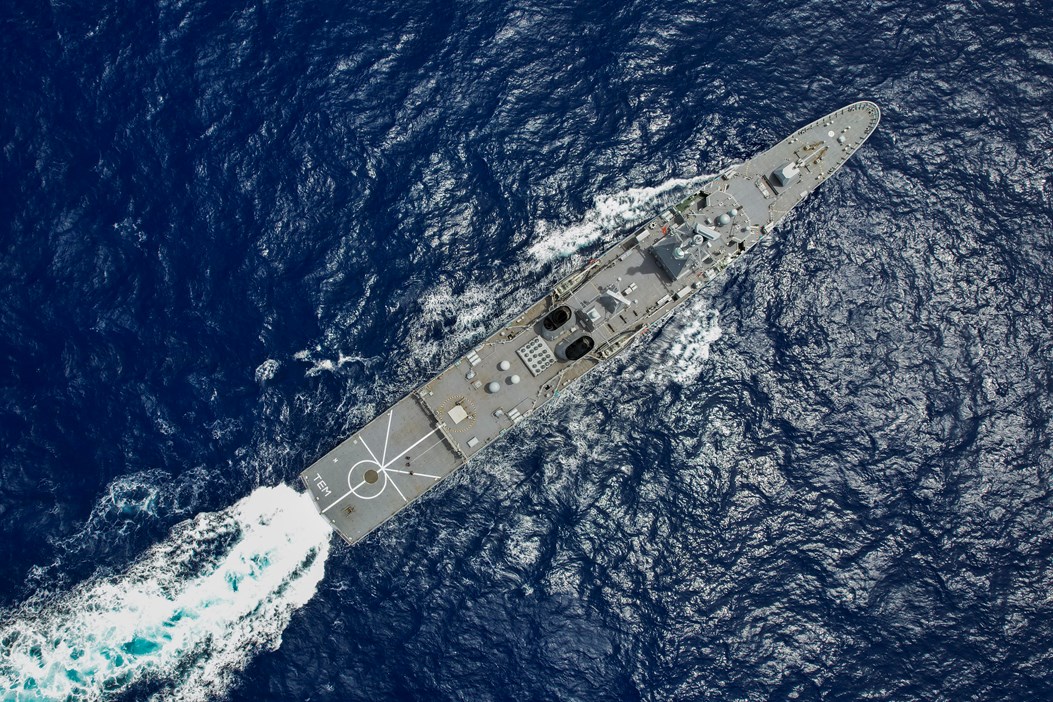
That was the challenge behind the Royal New Zealand Navy's Frigate System Upgrade program for HMNZS Te Kaha and HMNZS Te Mana.
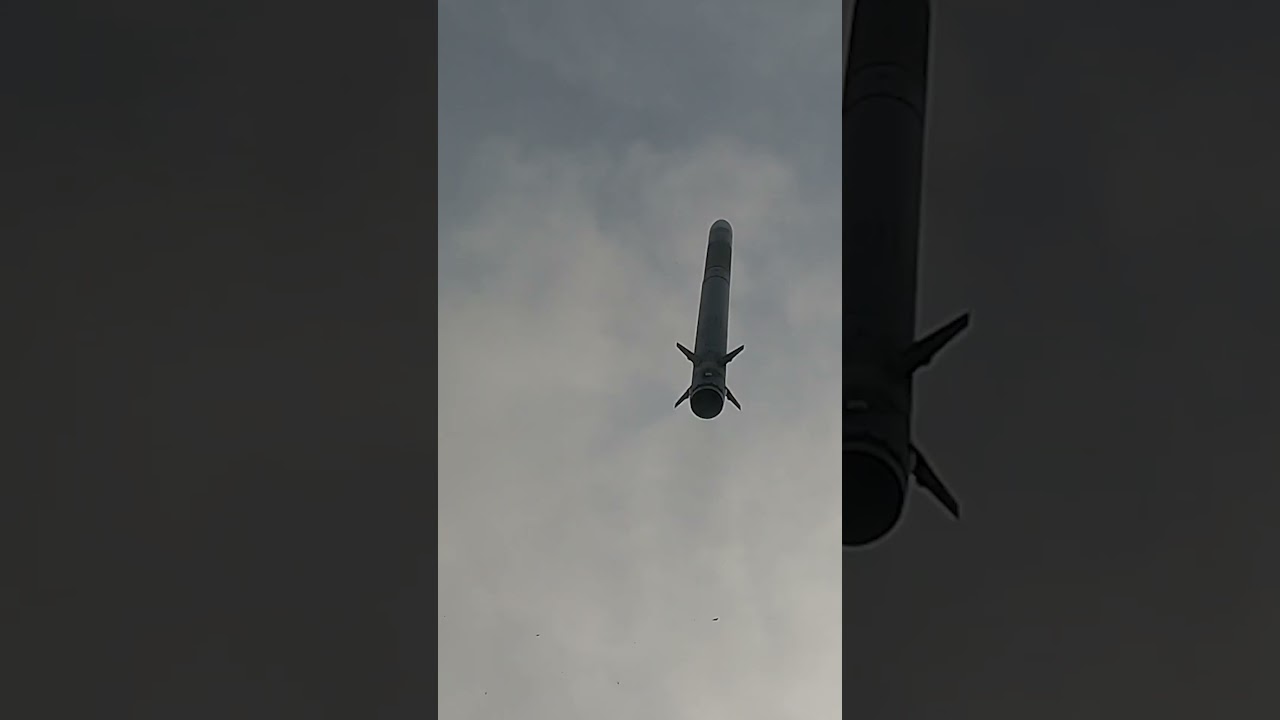
Designed to increase combat capability and utility in a modern threat environment, the program involved significant upgrades to the ships' combat systems, supporting infrastructure and topside arrangements.
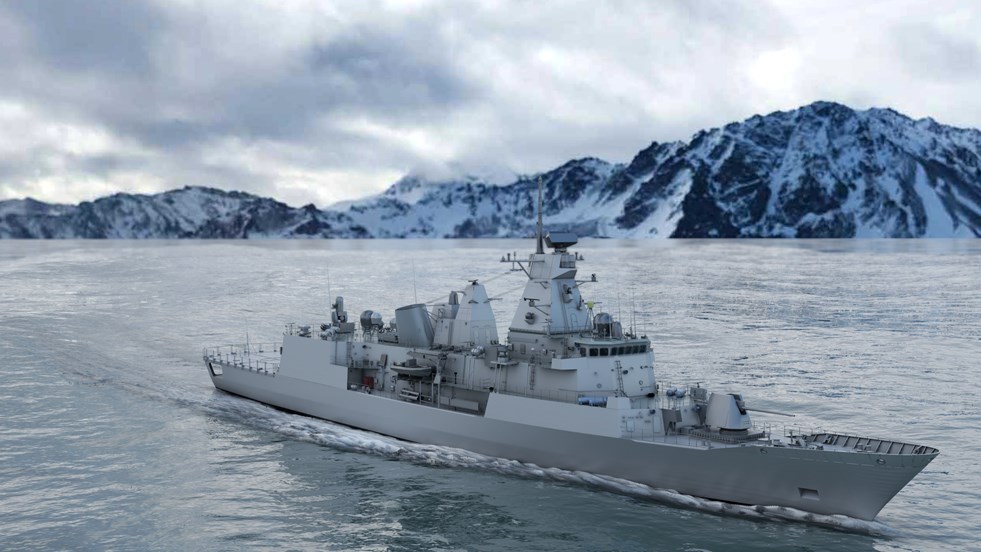
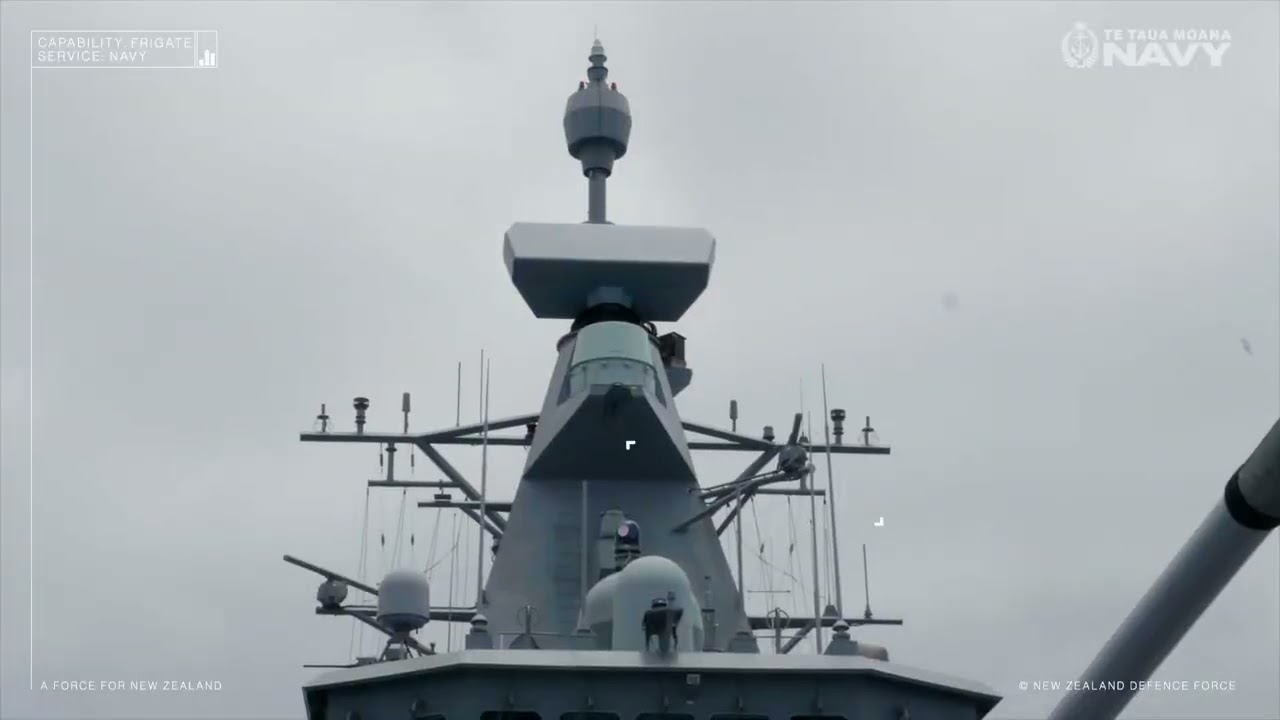
The most visible change was the replacement of the forward and aft masts, which now support a new generation of sensors and systems.
Behind these changes sat a much broader integration challenge.
Modernising an existing warship is far more complex than replacing equipment. New systems must work within the constraints of an established platform while maintaining operational effectiveness across the entire vessel.
Modernising an existing warship is far more complex than replacing equipment. New systems must work within the constraints of an established platform, where changes can affect everything from power and cooling requirements to structural arrangements, maintenance access and future upgrades. Managing those interdependencies is critical to reducing risk and delivering capability successfully.
We supported the program from its earliest stages, working closely with New Zealand’s Ministry of Defence project team to help shape acquisition and integration strategies, develop concept designs and reduce technical risk before the program progressed into detailed delivery.
Following completion of preliminary design, we were engaged by the prime contractor, Lockheed Martin Canada, to undertake the detailed design for the complete ship integration. Working closely with system suppliers and the implementation shipyard in Canada, our focus was on ensuring the upgrade could be manufactured, installed and commissioned efficiently while minimising disruption to vessel availability.
One of the key lessons:
Successful integration starts long before installation. Early consideration of how new systems interact with the wider platform helps reduce risk later in delivery and creates a smoother path from design through to production and commissioning.
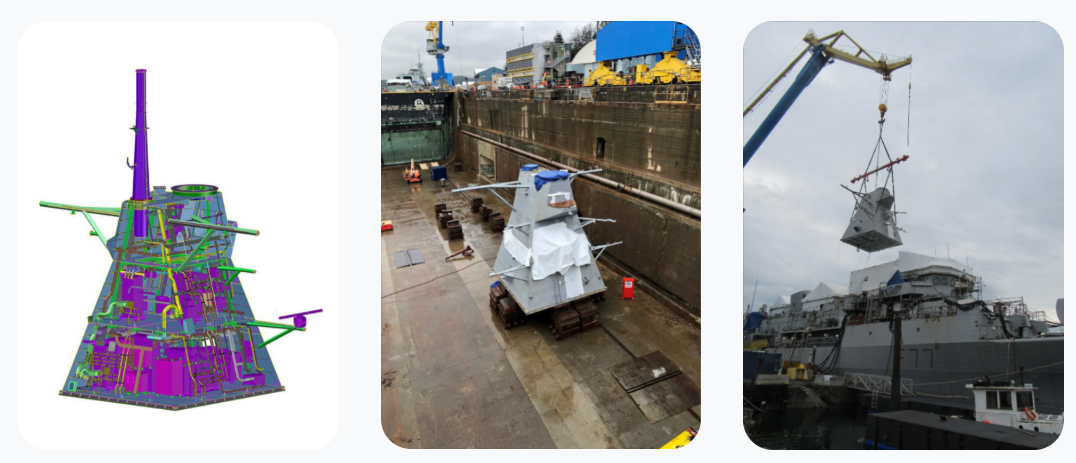
Throughout production, our design specialists worked alongside shipyard personnel, providing technical support and helping resolve integration challenges as they emerged. This close collaboration proved particularly valuable as the program navigated the disruption caused by the COVID-19 pandemic.
Despite those challenges, HMNZS Te Kaha departed Canada in 2020, followed by HMNZS Te Mana in 2022 after completing final testing and sea trials.
Today, the upgraded frigates provide a substantial capability improvement for the Royal New Zealand Navy and remain at the centre of New Zealand’s naval combat capability.
For defence organisations facing similar modernisation challenges, the program demonstrates the value of whole-of-ship thinking, early risk reduction and close collaboration across customers, suppliers and shipyards. As navies look to maximise the value of existing fleets, these principles will remain essential to delivering capability that is ready for the demands of the future.

Laura Blake
How we are supporting a resilient ocean future

Access to the coast can be transformative, it builds environmental awareness, supports wellbeing, and fosters a sense of responsibility for the natural world.

Thomas Hendrikx
A real‑world case exploring the hidden combustion risks of biomass cargo. Thomas Hendrikx explains how structured planning enables safe, controlled discharge of self‑heating wood pellets.

Are you using your port's data to make smarter, real-time decisions, or just collecting it without turning it into actionable insight? What if you could predict delays before they happen and optimize operations with the data you already have?