The Autonomy Opportunity video series
Get ready to dive deep into maritime autonomy as we bring you technical experts, insightful opinions, and unmissable discussions.
Get ready to dive deep into maritime autonomy as we bring you technical experts, insightful opinions, and unmissable discussions.
6 June 2025
Autonomy has the potential to transform the maritime industry by improving productivity, safety and sustainability. Yet, unlocking that potential means first addressing significant challenges that range from technology and design to regulation and assurance. At BMT, our teams have the expertise and experience to help customers overcome those barriers to embrace the autonomy opportunity.
What do we mean by maritime autonomy?
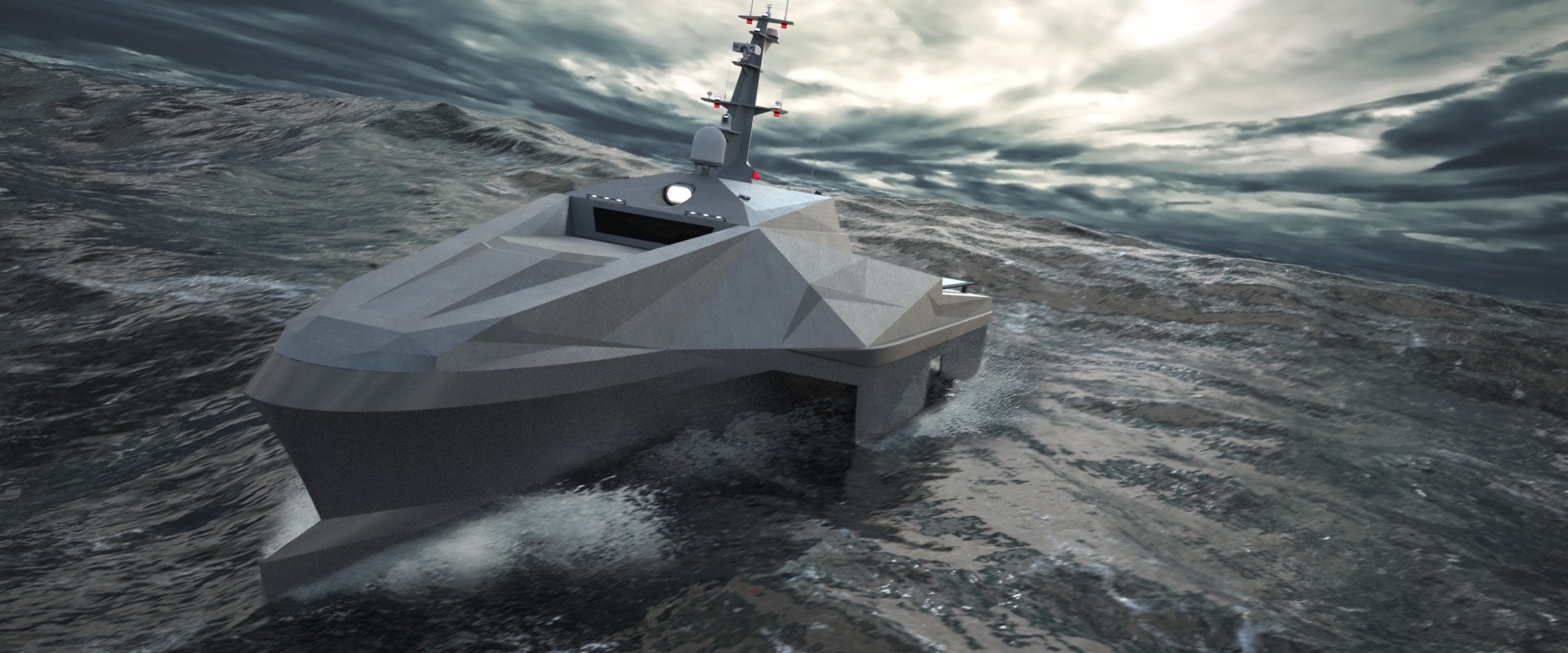
The term refers to a broad array of systems that range from fully autonomous underwater vehicles (AUVs) to partially automated and remotely operated, uncrewed vessels. Enabled by rapid developments in technologies such as AI, maritime autonomous systems (MAS) are already being deployed in the commercial maritime, offshore energy, defence and marine science sectors.
What are the main benefits?
Without a crew on board, vessels can be designed more efficiently and can better incorporate cleaner and more sustainable energy sources, from solar and wind power to hydrogen fuel cells. Autonomous marine systems can also significantly reduce the risk of accidents caused by human error.
What are the challenges?
As in any emerging area, new designs, new practices and new skillsets are needed to successfully and safely adopt autonomy. There is also a pressing need for a set of comprehensive and standardised regulations to govern the safe and responsible use of autonomous vessels.
How BMT can help
Based on our portfolio of projects across multiple sectors, regions and disciplines, BMT has the experience and expertise to support your autonomy journey:
For more information on how we can help you shape the conditions and complete successful transitions to the adoption of MAS, click here.

Phil Thompson
Read the latest LNG Industry article 'Solutions for smarter ship navigation, revisited' by Dr Phil Thompson

Jake Rigby - UK / Europe
Discover how AI can help shipowners, operators and engineering teams navigate decarbonisation, regulatory complexity and operational challenges through improved decision-making and knowledge management.

What if your biggest cyber risk isn’t the next breach, but sensitive data being captured today and exploited years from now?

Chloe Yarrien
Maritime Autonomous Systems (MAS) are moving from concept to operational reality. Across defence and commercial maritime sectors, organisations are exploring how autonomy can improve operational effectiveness, increase persistence, reduce risk to personnel and enable new ways of working.
